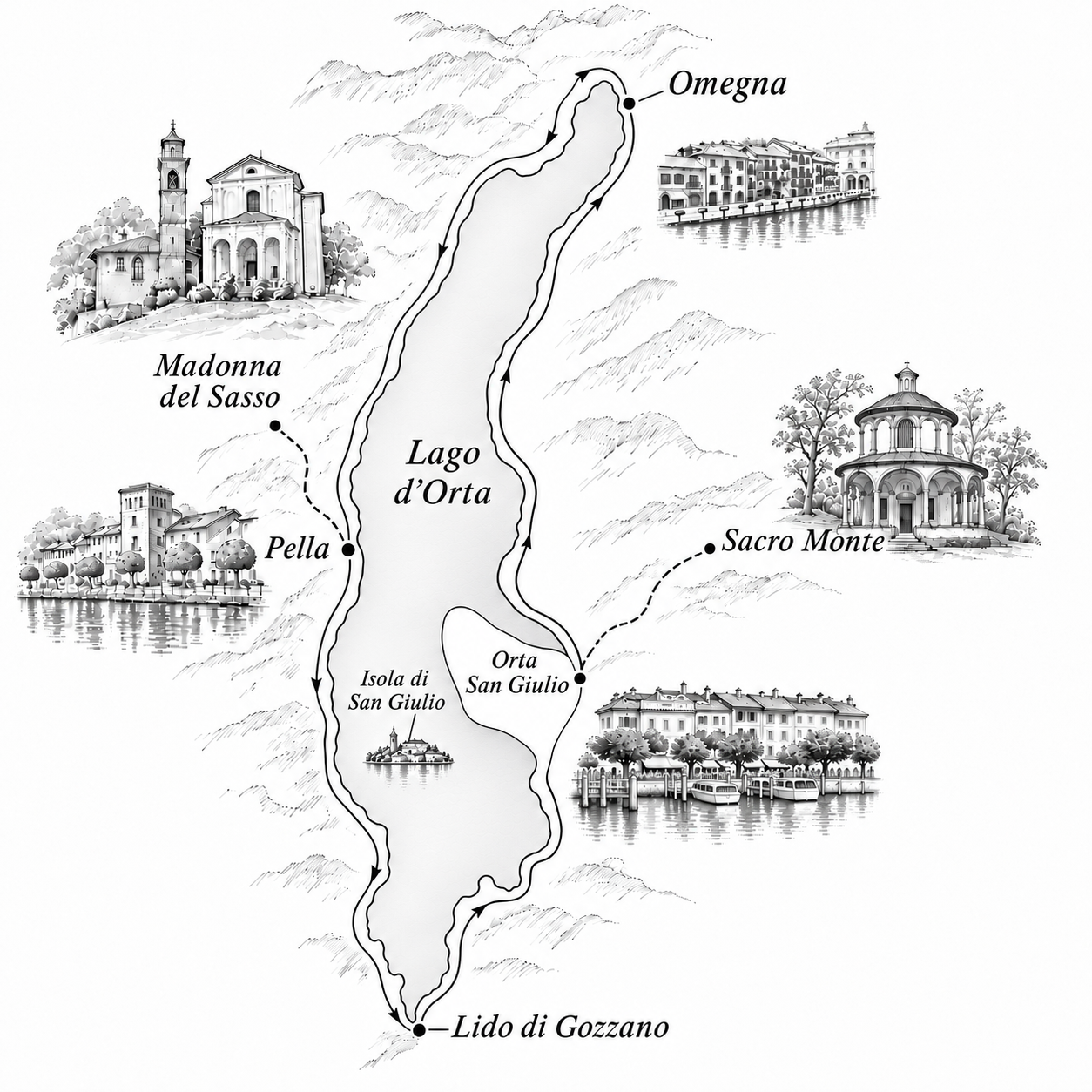
There’s a path on the Isola di San Giulio that can be walked in two directions: one way it’s called the Path of Silence, the other the Path of Meditation. Those two names alone say what Lake Orta asks of anyone who visits it: not an itinerary to follow by the clock, but a day meant to breathe. For our guests at Villa Selva looking for a more intimate, romantic experience, we recommend this small lake, gathered around a single island. Our suggested route starts at Villa Selva, reaches Gozzano, follows the eastern shore north to Omegna, then returns south along the western shore. It is a complete circuit, with time to pause wherever one wishes.
Gozzano: a first encounter with the lake
From Villa Selva, the route reaches Gozzano at the southern end of Lake Orta. Here lies Lido di Gozzano, the beach we recommend to guests who would like to spend a few hours by the water. It can be the destination for a relaxing day by the lake or a stop to consider during the circuit. From Gozzano, the route continues along the eastern shore towards Orta San Giulio.
Orta San Giulio: the village and its peninsula
Orta San Giulio occupies a small peninsula stretching towards the island. After parking outside the centre, a walk leads down to Piazza Motta, with its arcades, cafés and first view of the water. The lanes reveal Baroque palaces, wrought-iron balconies and the curious Casa dei Nani, named for the tiny windows on its upper floor. It is a place to slow down and let the village suggest where to wander.
The island of San Giulio
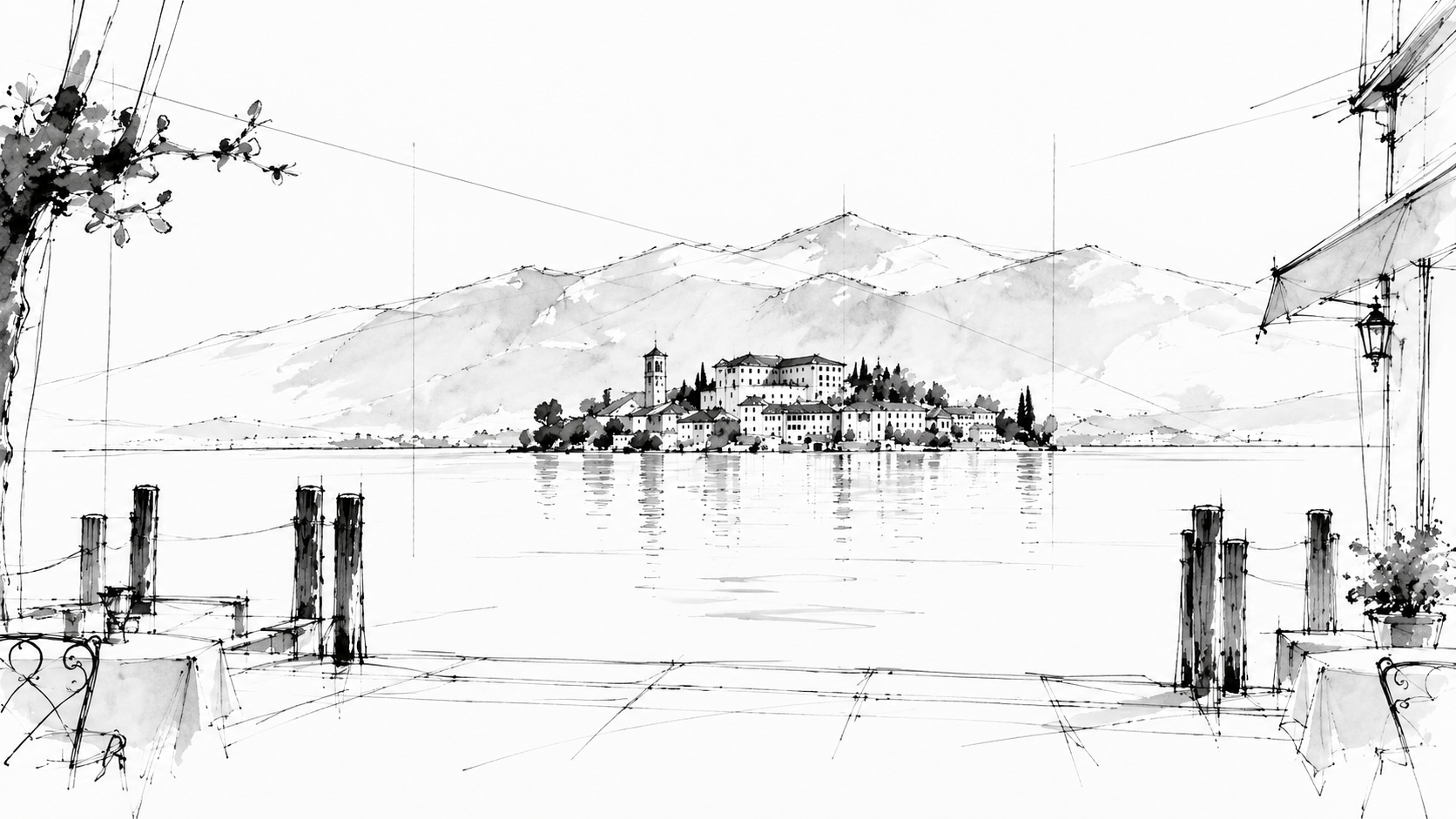
Boats leave Piazza Motta for the island. The crossing takes only a few minutes, but it is enough to change the atmosphere. The path around the island is called the Path of Silence in one direction and the Path of Meditation in the other. The Basilica di San Giulio, of Romanesque origin, holds the saint’s remains; beside it stands a cloistered Benedictine abbey. To continue the itinerary, a boat returns to Orta.
The Sacro Monte: twenty chapels in the woods
Before leaving Orta, a walk leads up to the Sacro Monte. The complex is a UNESCO World Heritage Site together with the other Sacri Monti of Piedmont and Lombardy, and has twenty frescoed chapels dedicated to the life of St Francis of Assisi. Between the chapels there are views over the lake and island. It is a stop for those who enjoy walking and seeing Orta from above.
Omegna, Rodari’s hometown
From Orta, the route follows the eastern shore north to Omegna. The town sits at the northern end of the lake, where our route begins its journey south again. Gianni Rodari, the Italian children’s writer who received the Hans Christian Andersen Award in 1970, was born here. The Parco della Fantasia and the Museo Rodari are dedicated to him. Omegna is also where the Nigoglia flows out of the lake and northwards. The local saying «La Nigoeuja la va in su; e la legg la fèm nu» recalls this unusual course: the Nigoglia flows uphill, and we make our own laws. Rodari set his story C’era due volte il barone Lamberto on the island of San Giulio.
The Madonna del Sasso viewpoint
From Omegna, the route follows the western side of the lake. The road heads south, and a detour leads to the Sanctuary of Madonna del Sasso, above Boleto. Known as “the balcony of the Cusio”, the square in front of the church overlooks the lake and, on clear days, the Alps. From here the island, the Orta peninsula and part of the route are visible.
Pella, on the opposite shore
Heading down towards the water, the route reaches Pella. Its little harbour, lakeside houses and view of the island offer a different perspective from Orta, now on the opposite shore. From Pella, the route continues towards the southern end of the lake and Gozzano. The circuit closes here, before the return to Villa Selva.
Those who live here never simply call themselves “from Agrate Conturbia”: people say Agratesi or Conturbiesi, depending on which of the village’s two souls they feel closer to. It’s the first sign of the wealth of stories this small Piedmontese village has to tell: stories of Romans and a French football king, of golf played here as early as the nineteenth century, and of field hockey teams in a country entirely devoted to football. I have gathered fifteen of them to help those staying at Villa Selva get to know the village hosting them.
1. Two Souls, One Name Since 1863
Historians believe Agrate was a Roman outpost, possibly home to the Fifth Legion commanded by Pallas, a friend of the emperor Caligula. Conturbia is thought to have even older roots, as a pile-dwelling settlement in the pre-Alpine marshes. In the Middle Ages, each of the two villages had its own castle and its own feudal lords, and it wasn’t until 1863 that administrative union created the municipality of Agrate Conturbia. It was a union more on paper than in practice: the good-natured rivalry that still distinguishes those who feel closer to one origin or the other isn’t a recent whim, but the mark of two histories that have coexisted for more than a century and a half without ever truly merging — a cultural richness, before it’s an administrative detail.
2. A Football Pitch Each: The Lowest Population Density Around
Walking through the streets of Agrate Conturbia, you notice an unusual amount of space for the Piedmontese plain: isolated farmhouses, fields stretching as far as the eye can see, houses scattered rather than clustered together. It’s not just an impression: with around 1,500 residents across more than 14 square kilometres, the population density is just above 100 people per square kilometre — less than half the provincial average of around 270. In practice, every resident could theoretically claim almost an entire football pitch for themselves. Such low density is typical of remote areas, and here it’s even more surprising: we’re only a few kilometres from urban centres and from Lake Maggiore, yet there’s no crowding and no traffic — only the quiet of small woods and farmhouses dotting the landscape.
3. Michel Platini’s Grandfather Was Born Here
Michel Platini, a legend of French football, has roots in Conturbia that few people know about: his paternal grandfather, Francesco Platini, was born in Agrate Conturbia and emigrated to France after the First World War. His bond with the village was never broken. Even after becoming an international champion, Michel returned to Conturbia to see his relatives, especially his cousin Stefania. They also shared a love of good food: “My cousin’s risotto is unbeatable, it’s absolutely worth the trip!” he would say jokingly. In 2009, when he was already UEFA president, he returned to inaugurate the parish youth club’s football pitch. He met the children, kicked a ball with them and gave them footballs: a moment that many in the village still remember, revealing a connection with Agrate Conturbia that extended beyond his family home.
4. A Nineteenth-Century Golf Course, Before Any Other in Piedmont
Today’s Golf Club Castelconturbia, a 27-hole course set in greenery, has a predecessor that many people don’t know about. As early as 1898, a golf course already existed in Conturbia: it was the only one in Piedmont and one of just two in the whole of Italy. That pioneering 9-hole course was built on the initiative of local noblemen keen on the sport, and soon became an elite gathering place. It’s said that even the House of Savoy played a round or two here during their hunting trips in the area. It stayed active, with mixed fortunes, until the 1960s, before falling into oblivion. But the local passion for golf never really died: in 1984 the course was reborn as today’s Golf Club Castelconturbia, expanded to 27 holes and now ranked among the best in Italy. The course has already hosted the Italian Open twice, in 1991 and 1998, and its course record of 66 strokes still bears the names of José María Olazábal and Costantino Rocca — a concrete way of closing the circle with those nineteenth-century noblemen who, first in Piedmont, introduced the sport.
5. Not a Zoo, but an Ark: Parco Faunistico La Torbiera
Anyone expecting a traditional zoo at the Parco Faunistico “La Torbiera” is in for a surprise. The park was founded in 1977 around an ancient peat bog — a wetland now rare in this flat landscape — with a precise purpose: to preserve and study endangered animal species, not to entertain visitors. Across roughly 40 hectares live more than 400 animals from 130 different species, including big cats such as the Amur leopard, red pandas and cranes, all part of breeding and reintroduction programmes. Bringing children to see an Amur leopard or a red panda up close here also means explaining to them why these animals are at risk of disappearing, and what is being done about it.
6. When Agrate Conturbia Had Its Own Field Hockey Team
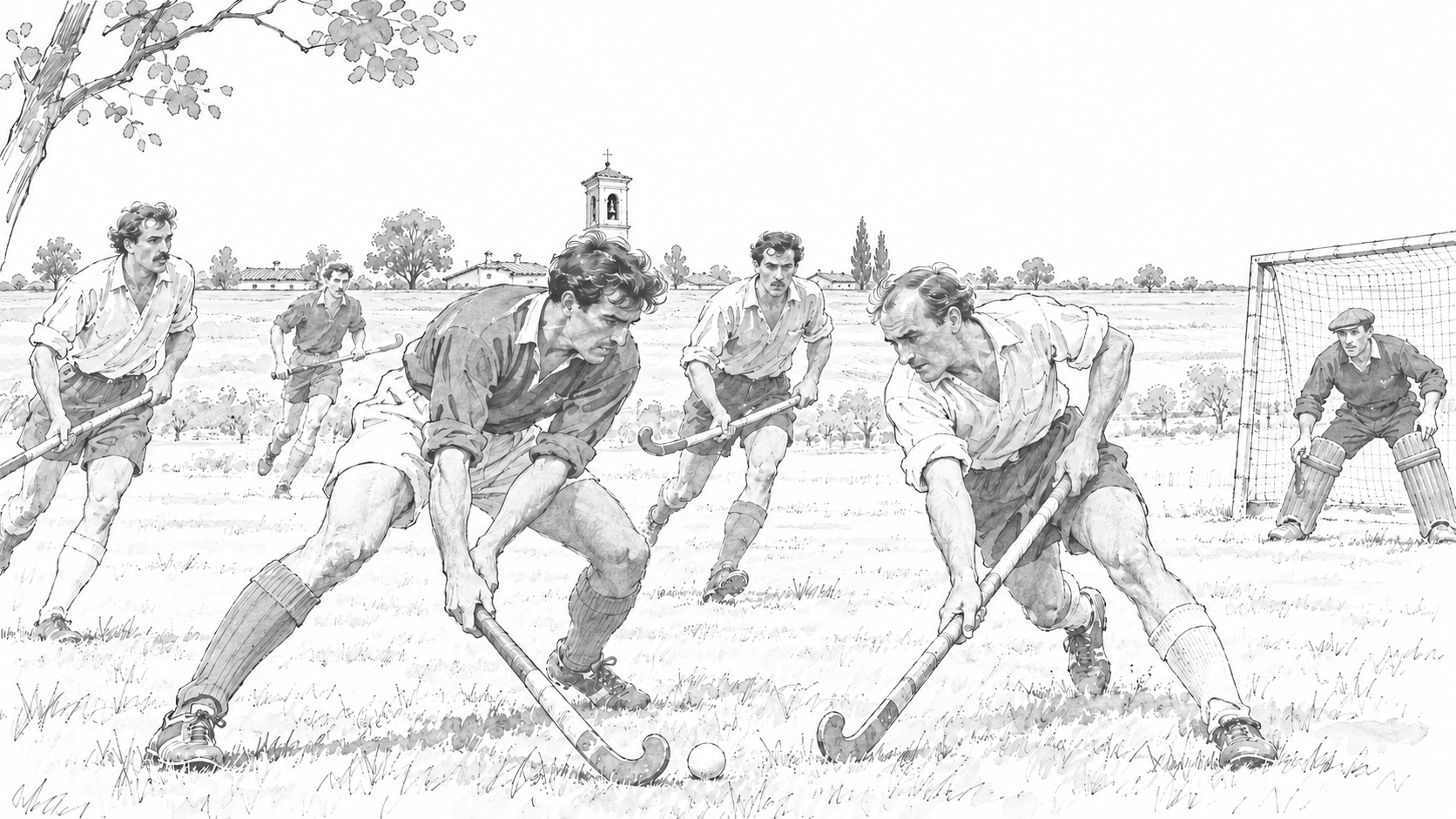
From the late 1960s into the 1970s, Agrate had a field hockey team that faced opponents including university sides. The Agrate players brought a different experience to the pitch: they were used to work and life in the fields. They played with determination and tenacity, and the small village team held its own in national championships. In 1969 Agratese finished third in the final stage of Serie C, narrowly missing promotion to Serie B. Matches were played in open countryside, right where Villa Selva stands today. I still remember that pitch. Plants now grow on the land where the team played, but one trace remains: the old changing room. Today we use it to store tools and as a coop for our hens. It is another way a place can change without entirely losing its history.
7. The Baptistery of San Giovanni: Stone and Half-Light
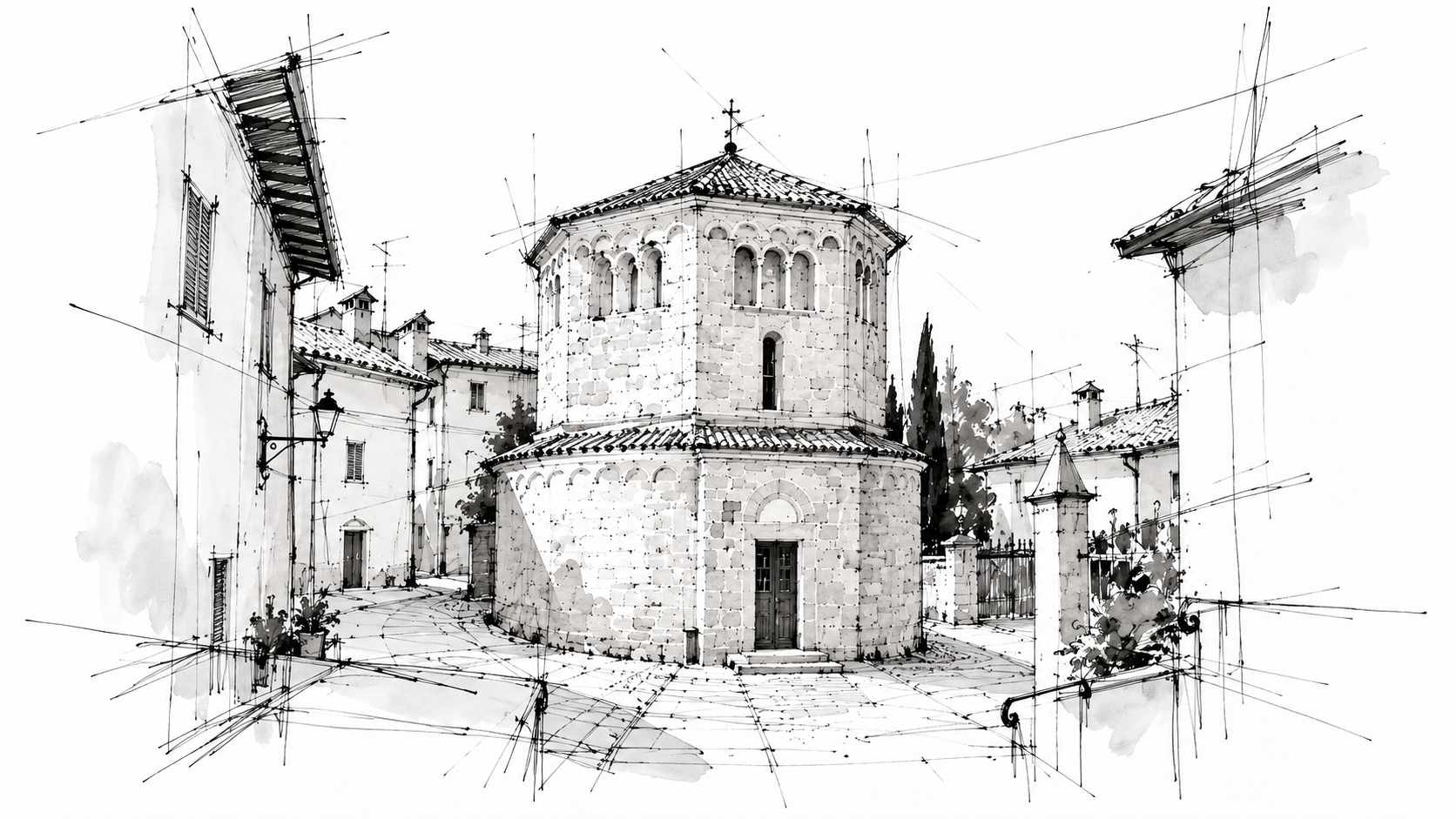
Next to the parish church of San Vittore stands a small stone building that few people notice: the Baptistery of San Giovanni Battista, the oldest monument in the village. Its lower, octagonal section rests on the remains of a Roman building and dates back to around 930; the upper section, also octagonal and decorated with Lombard arches, dates to the twelfth century. Inside, the immersion baptismal font bears witness to centuries of baptisms, and faded traces of fifteenth-century frescoes still cover the walls. It’s a hushed, intimate space where the half-light does its quiet work: as my father, Remo Julita, mayor and local scholar, once wrote, it is “a stone relic that has crossed the centuries, a silent witness to the faith and history of Agrate.” Rarely used today, it remains a place where spirituality can be felt before it is explained.
8. The Meja Stream: The Valley of the Crayfish
Along the border between Agrate Conturbia, Gattico-Veruno and Bogogno flows the Meja, a small stream that has shaped rural life here for centuries. Farmers used to call it “val di gambri” — the valley of the crayfish — for the abundance of freshwater crayfish once found in its waters; diverted channels, known as “rujon,” harnessed its flow to turn mills and irrigate the fields. Today the Meja runs through an idyllic rural landscape of poplar groves and reed beds, home to wild ducks, frogs and dragonflies, and remains a quiet but essential presence — telling, better than words could, the ancient bond between this land and its water.
9. The Preja d’Argoi: A Boulder Carried by Glaciers
In a clearing in the Bosco Solivo woods lies a flat boulder some fifteen metres long, known as the Preja d’Argoi — “big stone” in dialect, also called Preja Guzza. It is an erratic boulder, carried here from far away: dragged down by prehistoric glaciers, and made of a dark green serpentine rock that doesn’t belong to these hills. Such a geological anomaly could hardly avoid becoming the stuff of legend: in the past the stone was linked to fertility rites, and couples hoping for a child would perform propitiatory gestures on it. Even today, some who reach it in the silence of the woods swear they can feel something different in the air.
10. From Castle to Playground
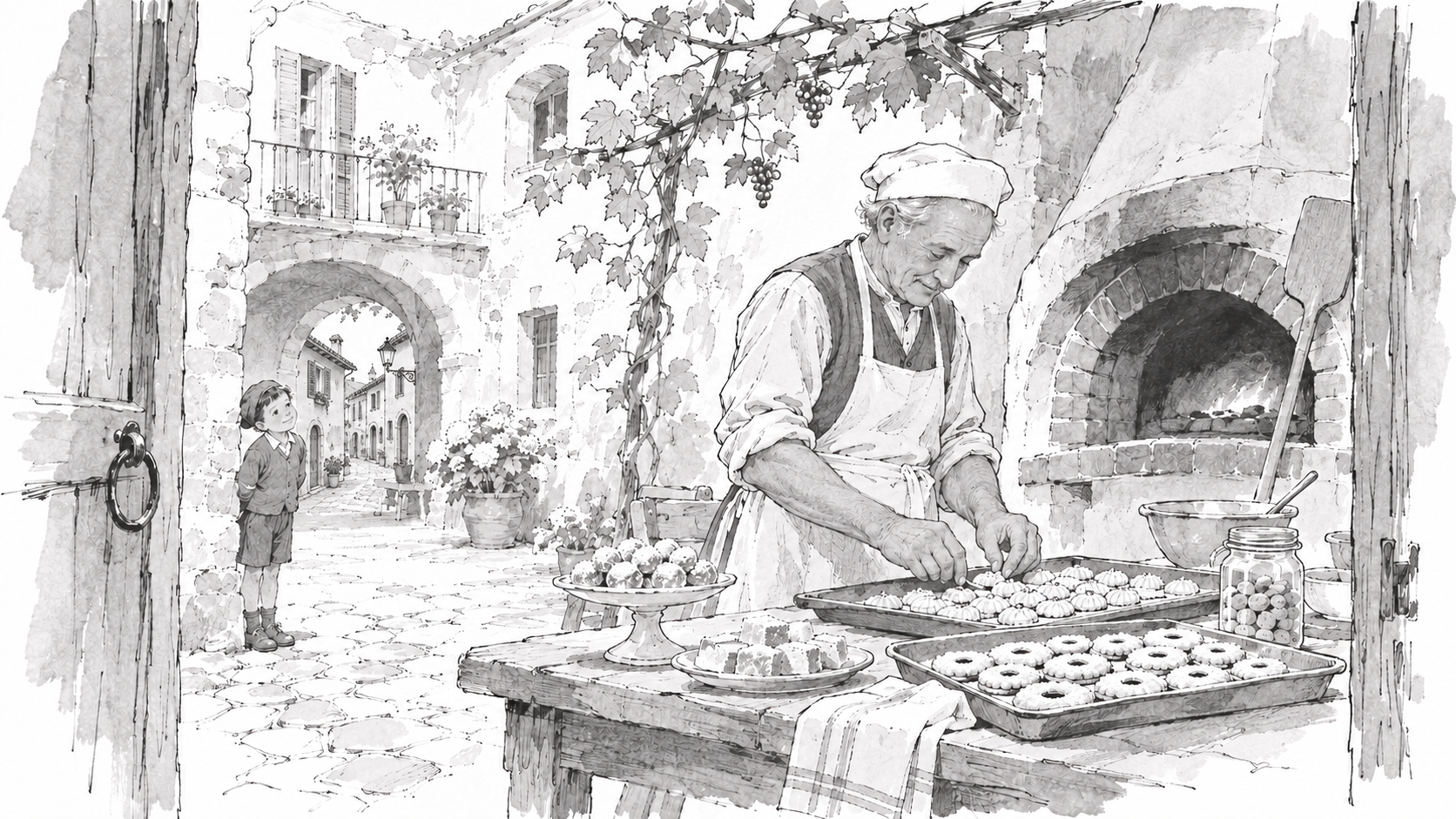
Little remains of the walls of Agrate’s medieval castle, but that little is enough to tell a story of power and lordships: on the surviving stones you can still make out the coat of arms of the Conti di Castello, the feudal lords who ruled the village around the year 1000. Partly destroyed in 1400 and altered many times over the centuries, the stronghold passed briefly to the Visconti of Milan and then to the Borromeo family, who held it until the eighteenth century. Of the ancient courtyard, what survives today is a corner turned into a public green space, enclosed by the old walls, where children now play. Where weapons and armour once clashed, the laughter of children now echoes instead — a contrast that says, better than any description, how time transforms places without erasing their memory. For me, the castle has a special meaning too. My family lived here until the mid-1970s: I was very young when we moved away, but I still remember it. My grandparents had lived here before us, and my grandfather had an oven here for his pastry shop, where he made sweets, biscuits and candies. Between the history of the old walls and today’s playground lies a piece of my own family’s life.
11. An Official Toast: Agrate Joins the Cities of Wine
In 2024 Agrate Conturbia joined the National Association of Cities of Wine, a recognition with solid roots here: its hills host prized vineyards within the Colline Novaresi DOC, home to native grape varieties such as Nebbiolo — locally called Spanna — Vespolina, Uva Rara and Croatina. The title opens up real opportunities for promotion among an increasingly curious audience of wine tourists, as well as the chance to take part in events for the protection of the winegrowing landscape. That same year, Alto Piemonte was named a “European Wine Territory,” bringing further visibility to its wines. Between future vineyard tastings and a hillside landscape worth protecting, the glass becomes one more way — alongside the table — to truly get to know this corner of Piedmont.
12. Two Festivals, Two Souls: San Vittore and Conturbia Festival
The calendar of Agrate Conturbia lights up twice a year, in two very different moods. In August, on the third Sunday of the month, the village celebrates San Vittore, its patron saint, with traditional dinners, folk dancing, raffles and the slow, familiar rhythm of a village feast. At the end of July, instead, comes the Conturbia Festival: open-air concerts, street food, young people and families gathering to toast under the stars. They are two different ways of coming together — one looking to tradition, the other to summer’s freer spirit — but both tell the same story: that this community still finds real reasons to gather.
13. A Procession That Has United Two Villages for Centuries
Hidden among the greenery on the municipal border, the small church of Santa Maria in Valle dates back to 1100 and still holds, within its herringbone stone and pebble walls, fragments of sixteenth-century frescoes. But its liveliest value isn’t in the stone: every summer, worshippers from Agrate Conturbia and neighbouring Bogogno gather here for a procession that converges from both villages, culminating in a solemn open-air mass. The ritual is renewed generation after generation, and in an age when municipal boundaries matter less and less, it still binds the two communities together through a gesture as old as the church itself.
14. San Giorgio: The Cross-Shaped Window Few Notice
In Conturbia, even before the year 1000, the church of San Giorgio already stood, later consecrated between 1122 and 1148 by the Bishop of Novara, Litifredo. Its original stone façade has survived the centuries almost intact, along with a rare detail: a cross-shaped window framed by an arched portal, a feature few Romanesque buildings in the Novara area can match. Surrounded by trees and still used today for occasional services, San Giorgio remains one of the most precious and least-known examples of rural Romanesque architecture in the area.
15. A Heritage Meant to Be Lived Slowly
Oak and chestnut woods, vineyard-covered hills, trails where squirrels and roe deer move undisturbed: just 50 kilometres from Milan, Agrate Conturbia preserves a landscape that has vanished elsewhere. It’s ideal ground for slow tourism — the kind done on foot or by bicycle, perhaps along the Bosco Solivo nature reserve as far as the Preja d’Argoi, or simply by stopping in the shade of a centuries-old oak with a book and the local produce. Fifteen curiosities aren’t enough to tell the whole story of a place like this: the rest is there to be discovered slowly, one step at a time, just as life is lived here.
A handful of beans, a piece of salami, cabbage from the garden: that was once enough to lay out a feast in this land. It’s from this peasant cuisine — poor in ingredients but rich in flavour — that the culinary journey from Agrate Conturbia begins: a small village in the Novara countryside, set between the plain’s rice fields and the first hills climbing towards Alto Piemonte.
From here, just a short drive takes you from rice fields to the vineyards of Ghemme and Gattinara, from woods rich in mushrooms and chestnuts to the area’s historic wine cellars. For those staying at Villa Selva, discovering these flavours is also a way to get to know the land around us: here are some dishes, local products and wines to look out for during your stay.
Traditional Flavours of Novara and Alto Piemonte
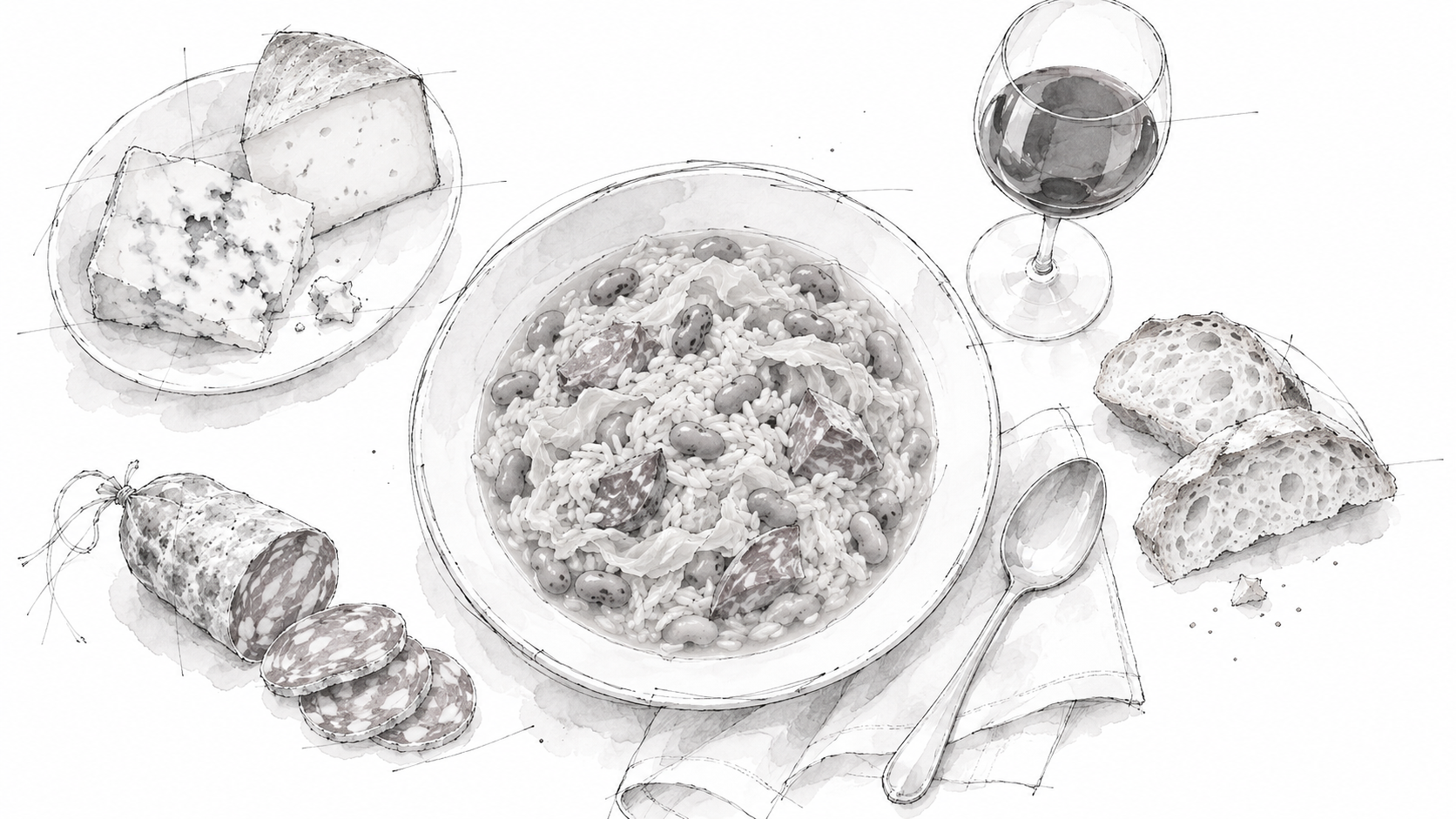
The traditional cuisine of Alto Piemonte is honest, full of flavour and deeply tied to the produce of the land. One of its most representative dishes is paniscia novarese, a rich, hearty peasant risotto born in the rice-growing countryside around Novara. In paniscia, Carnaroli rice grown in the local paddies simmers slowly with borlotti beans, cabbage, carrots and celery, enriched by the bold flavour of salame d’la duja and fidighin, a type of liver sausage. The result is a creamy, robust risotto that warms body and soul on cold days. Every spoonful tells the dish’s humble origins: it was once a whole meal for farming families, made with whatever the farmyard and vegetable garden provided. Even today, tasting a steaming bowl of paniscia means taking a dive into the rural history of the Novara area, recalling the work of the mondine — the rice-paddy workers — and evenings spent around the hearth.
If paniscia is the symbol of Novara, another iconic dish of the area is tapulone. It’s a finely minced stew, traditionally made with donkey meat, typical of Borgomanero. Legend has it that tapulone was born in the Middle Ages, when a group of hungry pilgrims sacrificed their own donkey and cooked its meat with wine and aromatic herbs to feed themselves. Today it’s made with beef or horse meat, slow-braised in the red wine of the Novara hills with garlic, bay leaves and spices, until tender and full of flavour. Often served with steaming polenta, it remains a reminder of how humble ingredients, cooked with patience, could once become a feast.
Local gastronomic tradition offers many other genuine specialities. In the rice-growing areas, for example, you’ll find fried frogs’ legs, a legacy of when the paddies teemed with frogs and farming families would gather them to fry in a crisp batter. Polenta, made with local cornmeal, is a constant on Novara’s tables: it can accompany a rich brasato in Nebbiolo wine, or be dressed with a sausage and porcini mushroom sauce.
In autumn, when the woods of Alto Piemonte offer up game, wild boar or venison stews appear, marinated in wine and slow-cooked with herbs and vegetables. The result is meltingly tender meat, wrapped in a dark, fragrant sauce, perfect for mopping up with a piece of rustic bread. These are bold flavours — of the woods, of the wood-burning stove — that take their time and demand it of whoever cooks them.
Rice, Cheeses and Cured Meats: The Treasures of the Land
Among the most precious fruits of this land is rice. The provinces of Novara and Vercelli, with their vast flooded paddies, have been the heart of Italian rice growing since medieval times. The Carnaroli and Arborio rice grown here is prized for the quality of its grains, which hold up beautifully to cooking and absorb seasonings while releasing a creamy starch: it’s the reason Alto Piemonte boasts such an enviable risotto tradition, from the paniscia already mentioned to risotto with porcini mushrooms, to risotto made with Nebbiolo wine — and, as we’ll see shortly, with gorgonzola. Visiting the paddies in spring, when the water turns them into shimmering “mirrors” under the sun, you understand just how much of the landscape and local life revolves around this grain, celebrated too in local fairs and festivals.
It’s no surprise that the local rice finds one of its most natural companions in gorgonzola. This soft, blue-veined cheese, famous the world over, takes its name from a Lombard town but is today a point of pride for the Novara area, home to some of its most renowned producers. With a creamy, blue-veined heart, it’s made from local whole milk and matures slowly, developing an intense, unmistakable flavour. It’s enjoyed on its own, perhaps paired with honey or polenta, or, as mentioned, used to make risotto al gorgonzola, bringing together two local excellences in a single dish. Alongside gorgonzola is toma, another cheese emblematic of Piedmont: in the hills between Lake Maggiore and Lake Orta, for instance, Toma del Mottarone is produced, a raw cow’s milk cheese with a fragrant taste of butter, grass and hazelnut. The best way to enjoy it remains the simplest: on a slice of homemade bread, or melted over the traditional gnocchi alla bava.
On the cured meat side, salam d’la duja deserves a place of honour: soft, made from pure pork, aged in a jar filled with lard according to an old method devised to protect the meat from the humidity of the plain. The result is a tender, savoury salami that keeps all the aromas of the spices and wine used to prepare it, and is also the ingredient that gives character to the area’s paniscia and panissa risottos. Alongside it is fidighina, a small liver mortadella typical of the Novara area, with a bold, slightly iron-rich taste, eaten in thin slices on warm bread or browned as a base for sauces and omelettes. These are cured meats that perfectly embody the Piedmontese motto “nothing goes to waste”: every part of the pig becomes a delicacy.
Another unique treasure of the Novara area is the cipolla bionda di Cureggio e Fontaneto, an ancient variety that has become a Slow Food Presidium: a deep golden colour, flattened shape, and exceptional sweetness. Harvested at the end of summer, it keeps for months while staying firm and sweet, and seasons soffritto bases, soups and fillings without ever overpowering their aromas. Caramelised in a pan or roasted alongside a joint of meat, it releases a sweetness that surprises those tasting it for the first time.
Rounding out the picture of local flavours is honey, the sweet reward of the area’s woods and meadows. Among the most renowned are chestnut honey, dark and intense, ideal with aged cheeses, and acacia honey, light and delicate, perfect for breakfast bread — alongside rarer varieties such as linden, rhododendron and wildflower honey. At the farmers’ markets around Agrate Conturbia, you’ll often meet the beekeepers who still offer their honey in small artisanal batches: a good way to end a meal, or to round out a board of local cheeses, with a genuine piece of this land.
The Wines of Alto Piemonte: Nebbiolo with Character, Among Hills and History
Alto Piemonte has an ancient and noble winemaking tradition, with three red wines that deserve to be told.
Ghemme DOCG, produced in the hills around the village of the same name, is almost a pure Nebbiolo, with small percentages of Vespolina and Uva Rara allowed. Ruby red turning to garnet with age, it offers scents of dried violet and sweet spices, and is an austere wine that needs years of ageing to soften. It pairs well with braised meats, game and aged cheeses.
Gattinara DOCG, produced in the province of Vercelli, on the opposite side of the Sesia river from Ghemme, is also Nebbiolo-based (minimum 90%). Volcanic soil gives it a pronounced minerality, a bouquet of dog rose and hints of tar, and a full body capable of ageing for decades. It’s the right wine for polenta concia, hare in civet sauce, or the tapulone of Borgomanero.
Boca DOC, produced in a small area north of Ghemme, is a rare wine: made from Nebbiolo (45–70%) with Vespolina and Uva Rara, it has ethereal scents of violet and pomegranate, and is made in limited quantities by a handful of wineries now rediscovering the tradition. It pairs well with substantial risottos, starting with paniscia, as well as roasts and alpine cheeses.
Three different wines, one same soul: that of Nebbiolo, a noble and demanding grape, which each part of Alto Piemonte expresses in its own way — robust and complex, yet always elegant.
Conclusion: A Journey of Taste Between Tradition and Landscape
Setting out from Agrate Conturbia to explore the flavours of Alto Piemonte means embarking on a journey made as much with a fork as with your eyes. In just a few days you can move from the rustic atmosphere of a countryside trattoria, where a grandmother ladles out steaming paniscia, to the historic cellars on the hills, where Nebbiolo rests in oak barrels waiting for the right moment.
Here, food is living culture before it’s tradition to be told: every dish bears the mark of families and territories, every local product holds passed-down passion and patience. Those who stay in this corner of the Novara area don’t simply taste something good: they learn, one bite at a time, how people eat in a part of Piedmont that still has stories to tell.
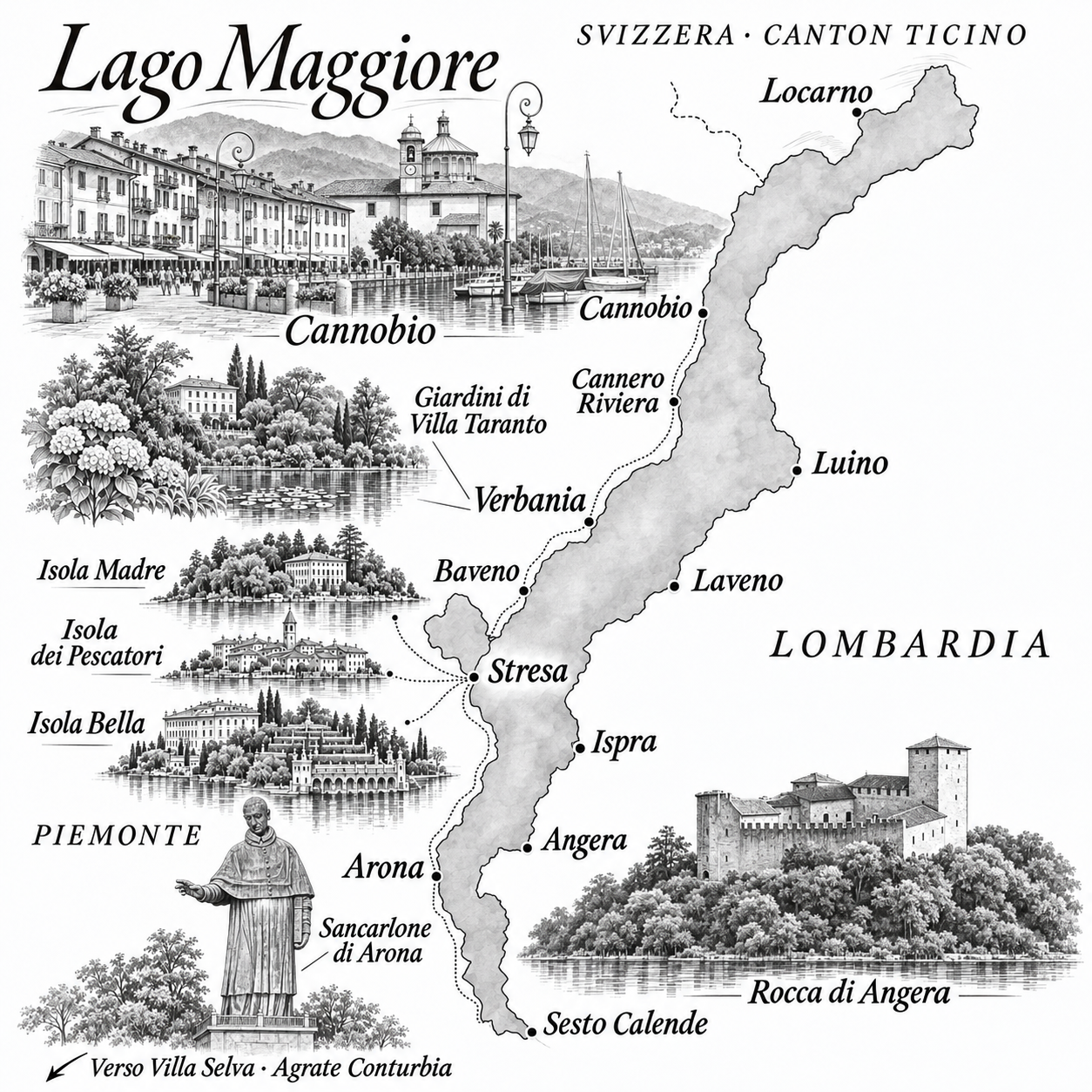
When our guests at Villa Selva ask how to spend a full day exploring from Agrate Conturbia, our answer is often the same: Lake Maggiore, along its Piedmontese shore from Arona to Cannobio. The itinerary brings together the many sides of the lake: lively Arona, elegant Stresa, the aristocratic Borromean Islands, leafy Verbania and Cannobio, close to the Swiss border.
Breakfast First, Then We Set Off
The day begins with a leisurely breakfast at Villa Selva before setting off by car at around 8:30. The first stop is Arona, approximately thirteen kilometres and a fifteen-minute drive away.
Arona and the Copper Giant
In Arona, park near the lakefront for a walk with the Rocca di Angera across the water. The town’s landmark is the Sancarlone, a copper statue of San Carlo Borromeo standing over 35 metres high. When access is available, you can climb inside; alternatively, the panoramic square already offers a beautiful view of the lake and the Alps.
Stresa and the Borromean Islands
Around ten, set off again for Stresa. Boats leave from the port of Carciano for the Borromean Islands. For a day trip, we suggest choosing one or two islands and checking timetables and connections in advance.
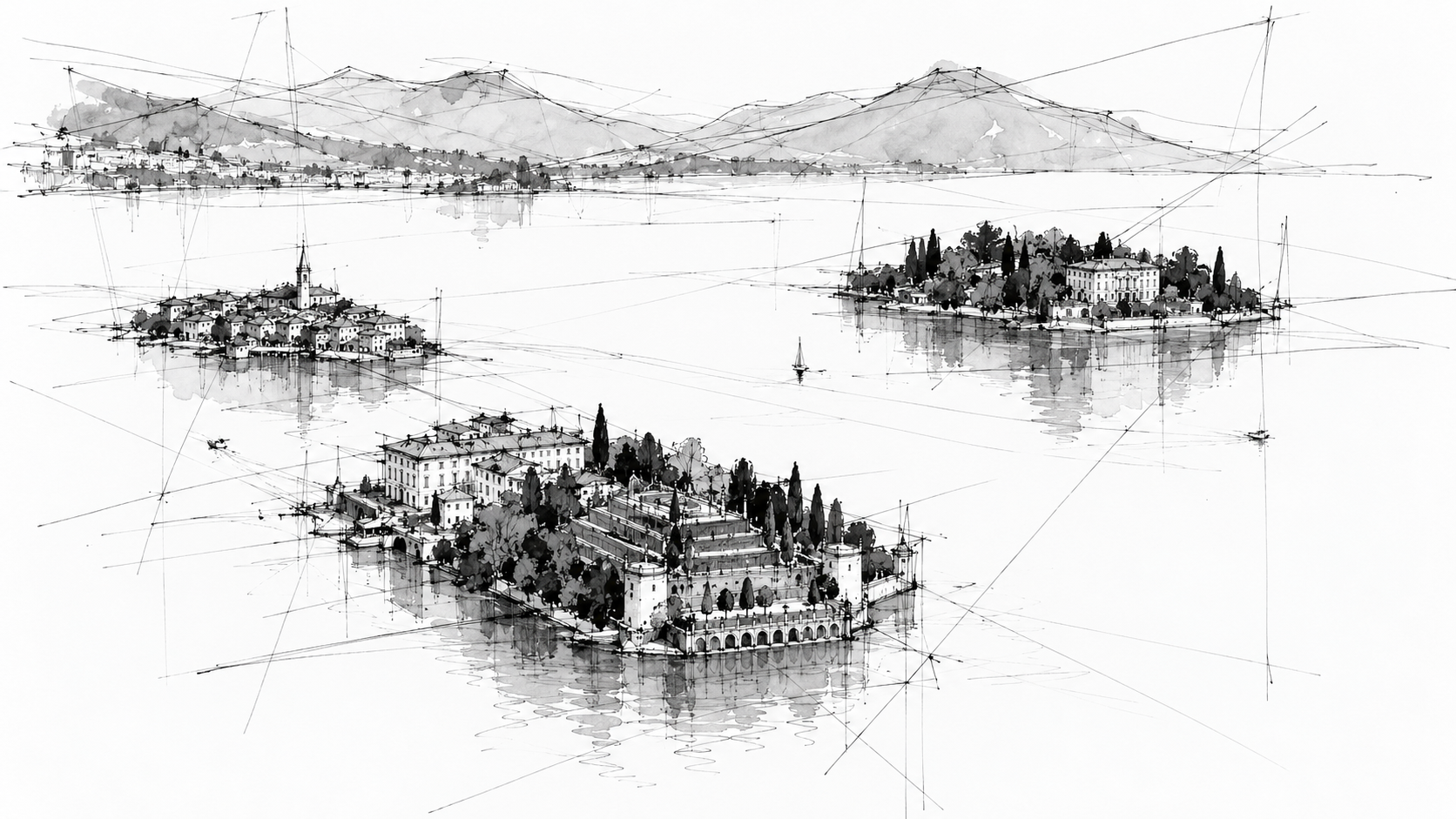
From Isola Bella‘s Borromeo palace and terraced gardens to Isola Madre‘s romantic English-style gardens, each island has its own character. Isola dei Pescatori is a small lakeside village of colourful houses, narrow lanes and restaurants: a lovely place to try perch risotto or whitefish.
Verbania and Cannobio in the Afternoon
After lunch, continue to Verbania-Pallanza. Choose a walk along the lakefront or, depending on opening times and the season, a visit to the botanical gardens of Villa Taranto.
The last stop is Cannobio, the last Italian town before the Swiss border. Its historic centre is a maze of paved lanes and old houses. The lakeside promenade beneath the nineteenth-century arcades is just the place to end the day with an aperitivo at sunset.
The Way Back
Around 18:00 or 18:30, leave Cannobio for the return journey. In just over an hour you will be back at Villa Selva, with memories of scenic roads and boat crossings. Before setting off, especially outside summer, check boat timetables and attraction opening hours.
The Itinerary at a Glance
Time
Stop
08:30
Begin the drive from Villa Selva to Arona (13 km, ~15 min)
08:45 – 10:00
Visit Arona (Sancarlone statue, basilica, lakefront with views of Rocca di Angera)
10:00 – 10:20
Drive to Stresa (17 km, ~20 min)
11:00
Boat trip to one or two Borromean Islands (check connections)
13:30
Lunch in Stresa or on Isola dei Pescatori
14:00 – 14:25
Drive to Verbania-Pallanza (16 km, ~20–25 min)
14:30 – 16:00
Visit Verbania (Pallanza lakefront, Villa Taranto)
To provide the best experiences, we use technologies such as cookies to store and/or access device information. Consenting to these technologies allows us to process data such as browsing behaviour or unique IDs on this site. Withholding or withdrawing consent may affect certain features and functions.
Functional
Always active
Technical storage or access is strictly necessary for the legitimate purpose of enabling the use of a specific service explicitly requested by the subscriber or user, or for the sole purpose of carrying out the transmission of a communication over an electronic communications network.
Preferences
Technical storage or access is necessary for the legitimate purpose of storing preferences that are not requested by the subscriber or user.
Statistics
Technical storage or access is used exclusively for statistical purposes.Technical storage or access is used exclusively for anonymous statistical purposes. Without a subpoena, voluntary compliance by your internet service provider, or additional records from a third party, information stored or retrieved for this purpose alone cannot usually be used to identify you.
Marketing
Technical storage or access is needed to create user profiles to send advertising, or to track users across websites for similar marketing purposes.